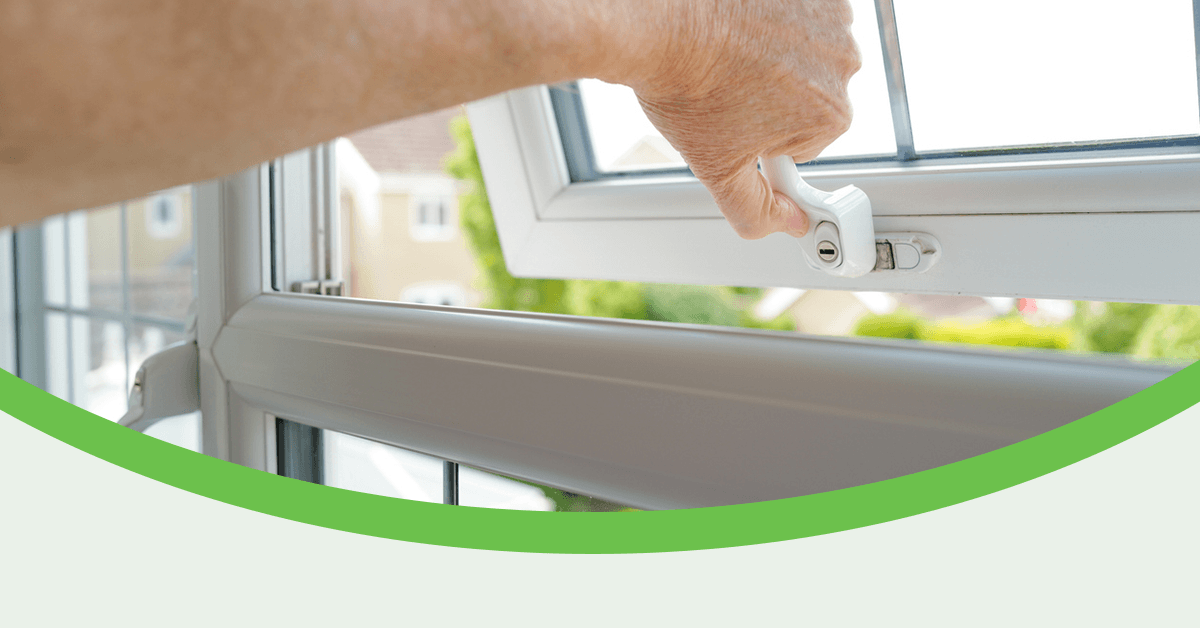
Picture this: You open a window to let in some fresh air, and within seconds, it crashes back down. It’s frustrating when windows won’t stay where you put them, and it creates real safety concerns. A falling sash can injure children, pets or anyone standing nearby. Maybe you’ve tried propping windows with sticks or books, but these makeshift fixes only put off a real solution.
Falling windows often mean the hidden internal supports designed to support the sash weight are wearing out. Understanding what causes these failures helps you decide whether simple solutions for windows that won’t stay up will work or whether it’s time to invest in quality replacements that permanently solve the problem.
Windows rely on hidden mechanical systems to counterbalance the weight of the sash. When these components wear out or break, the window can no longer stay in position. Here’s what could be happening behind the scenes:
If you see the following issues, they indicate that support mechanisms are losing their ability to hold windows in place:
These connection failures prevent the support system from working properly:
The following alignment problems can prevent otherwise functional parts from working correctly:
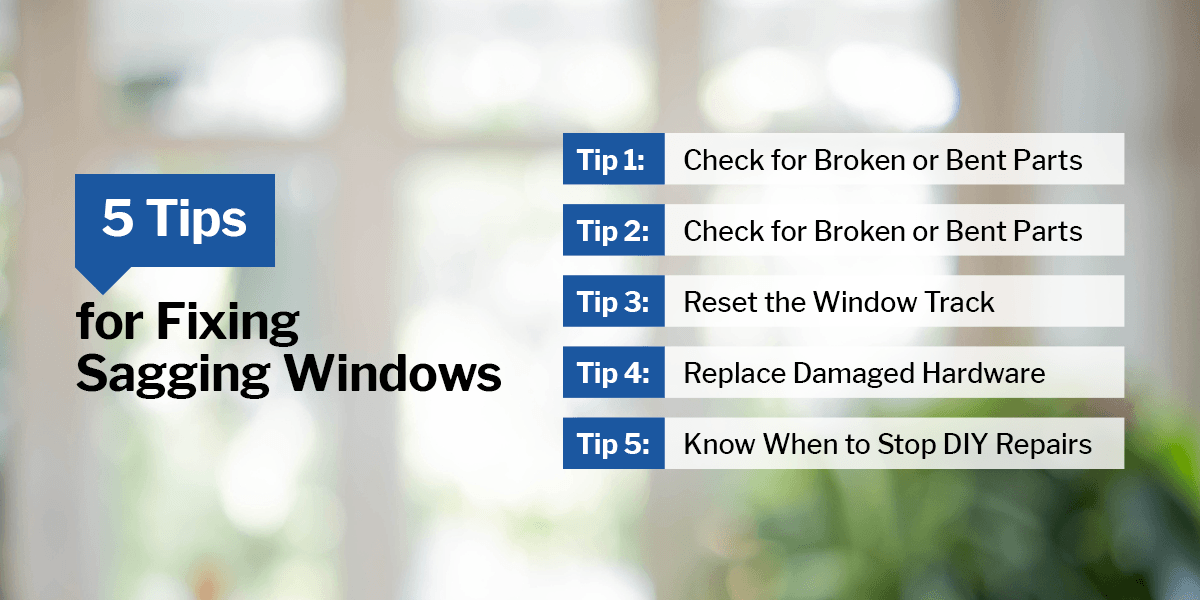
These DIY tips for fixing sagging windows can restore function if you’re comfortable with basic home repairs.
Start with a visual inspection by tilting the window sash inward and examining the bottom corners where mechanisms connect. Look for small metal connector pieces that appear bent, broken or completely detached from the frame. Take photos and measurements to help match replacement parts.
If only one component is broken and everything else looks good, you’re in luck. A quick replacement might be all you need to get things working again. Window hardware is brand-specific, so you’ll need the exact replacement for your model.
If you’re comfortable removing the window sash, you can check the internal balance system for visible problems. Release clips or unscrew stops to lift the sash out, then look inside the vertical frame channels for coiled springs, pulley systems or spiral rods. Broken springs, frayed cords, seized pulleys or rust indicate the mechanism needs replacement.
If the damage isn’t obvious, you’re unsure about the repair or things look complicated, calling a pro is always the safest route. Springs under tension can be dangerous if handled improperly.
Sometimes the mounting blocks at the bottom of the frame just need repositioning. These blocks hold the balance mechanism in place and have small metal pins that can be unlocked with a flathead screwdriver. Turn the U-shaped or C-shaped pins to unlock them, move the block about 2 inches from the bottom of the closed window sash, then lock the pins back in place. Open the window partway and release it to see if it stays in position.
This adjustment can restore proper tension without replacing parts.
If you’ve identified the problem and feel confident tackling the repair, bring the old parts to a hardware store to find exact replacements. Most repairs require only basic tools like a screwdriver, pliers and a tape measure. Follow the manufacturer’s installation instructions carefully, as spring tension must be adjusted correctly for the window to stay in place.
It’s best to ask a friend or family member for help – lifting heavy sashes is easier and safer with two people. Test the window several times to confirm the repair holds before considering it complete.
Sometimes, even the best repair efforts won’t be enough to solve the underlying problem. If you’ve tried multiple fixes and the window still won’t stay up, you’re likely dealing with frame damage or multiple component failures. When several windows develop the same issue, it signals systemic problems that individual repairs won’t address.
Windows installed decades ago are reaching the end of their lifespan, and all balance mechanisms from that era will likely fail soon. Significant frame damage, such as rot, warping or major cracks, means repairs to the balance mechanism won’t help. Replacing old windows will solve the issues you’re experiencing and may lower energy bills by up to 13%, depending on the product and your home.
Today’s replacement windows are designed to overcome the balance failures that plague older windows and give you peace of mind for years. When DIY repairs are not an option, permanently fixing falling windows means choosing superior materials and an integrated design in your replacement that ensures reliable performance.
These construction advantages prevent balance mechanism failures:
The following benefits ensure windows work properly for years and provide the window stability tips that improve homeowners’ knowledge:
The following performance features go beyond simply staying in place:
DIY fixes offer temporary relief, but repeated window failures signal it’s time for a lasting solution. Renewal by Andersen® delivers custom-crafted replacement windows that permanently eliminate balance problems.
Our exclusive Fibrex® material is twice as strong as vinyl, and High Performance™ Low-E4® SmartSun™ glass maintains comfortable temperatures year-round. Every Energy Star-certified window is backed by the Nation’s Best Warranty, covering glass, materials and installation for true peace of mind.
Certified master installers handle everything – from measurements to year-round installation – ensuring flawless performance from day one.
Schedule your free consultation today to discover quality windows built to last.